


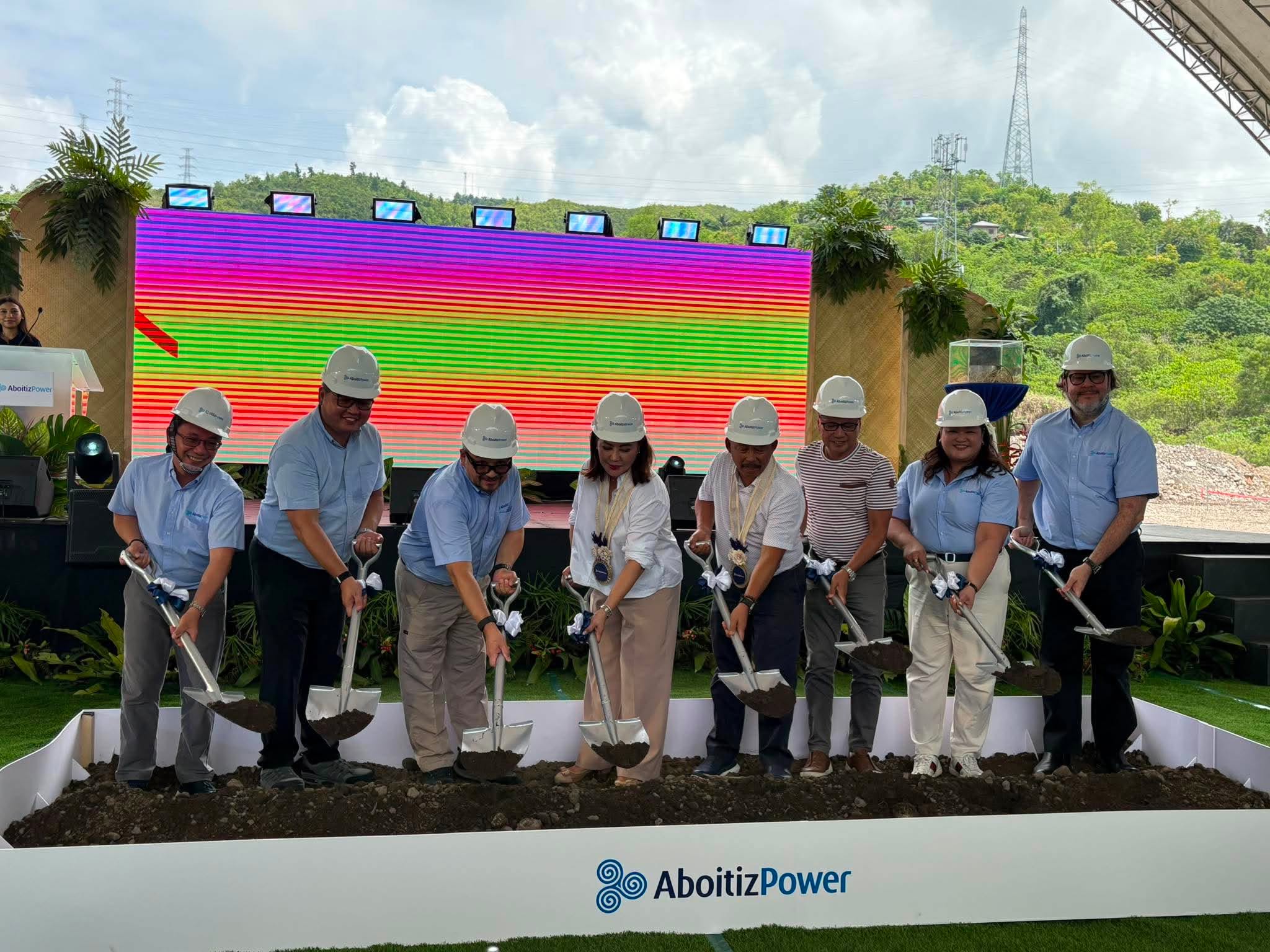
Aboitiz Power Corp. has started construction of a 60-megawatt (MW) battery energy storage system (BESS) in Cebu, converting a former thermal power plant into an energy storage facility as the Philippines expands infrastructure to support a growing share of renewable energy.
The standalone BESS will be built within the Naga Power Plant Complex in Barangay Colon, Naga City, Cebu. Scheduled to begin commercial operations in 2027, the facility will provide contingency and regulating reserve services to help the Visayas grid respond more quickly to fluctuations in electricity supply and demand.
The project marks the transformation of the Naga Power Plant Complex from thermal power generation to energy storage. The site’s legacy coal- and diesel-fired generating units have been decommissioned and demolished after AboitizPower acquired the facility from the National Power Corporation in 2018 through the government’s privatization program.
Battery energy storage systems are becoming increasingly important as more solar and wind capacity is connected to the grid, providing fast-response reserves that help maintain grid stability and improve the reliability of electricity supply.
“Naga BESS represents transformation in action. It reflects our efforts to strengthen the energy system by investing in people, infrastructure, and technology to enhance flexibility, resilience, and reliability of the grid,” said Celso C. Caballero III, president of AboitizPower’s Transition Business Group.
Speaking at the groundbreaking ceremony, Energy Undersecretary Mario Marasigan said battery storage projects play a critical role in supporting the country’s renewable energy ambitions.
“While we continue to promote investments in renewable energy technologies, we also need this technological support to create a reliable and efficient system,” Marasigan said.
The Naga BESS forms part of AboitizPower’s strategy to maintain a balanced energy portfolio while supporting the Philippine Energy Plan. The company said the project will help strengthen grid reliability in the Visayas, where electricity demand continues to grow alongside the expansion of renewable energy capacity.
Commercial operations are targeted to begin in 2027.
