

The Philippine government has approved a P10.07-billion geothermal risk-sharing facility to encourage private investment in renewable energy by helping developers manage the high costs and uncertainty of geothermal exploration.
The Economy and Development Council (EDC), chaired by President Ferdinand Marcos Jr., approved the Philippine Geothermal Resource Derisking Facility during its 10th meeting on Tuesday.
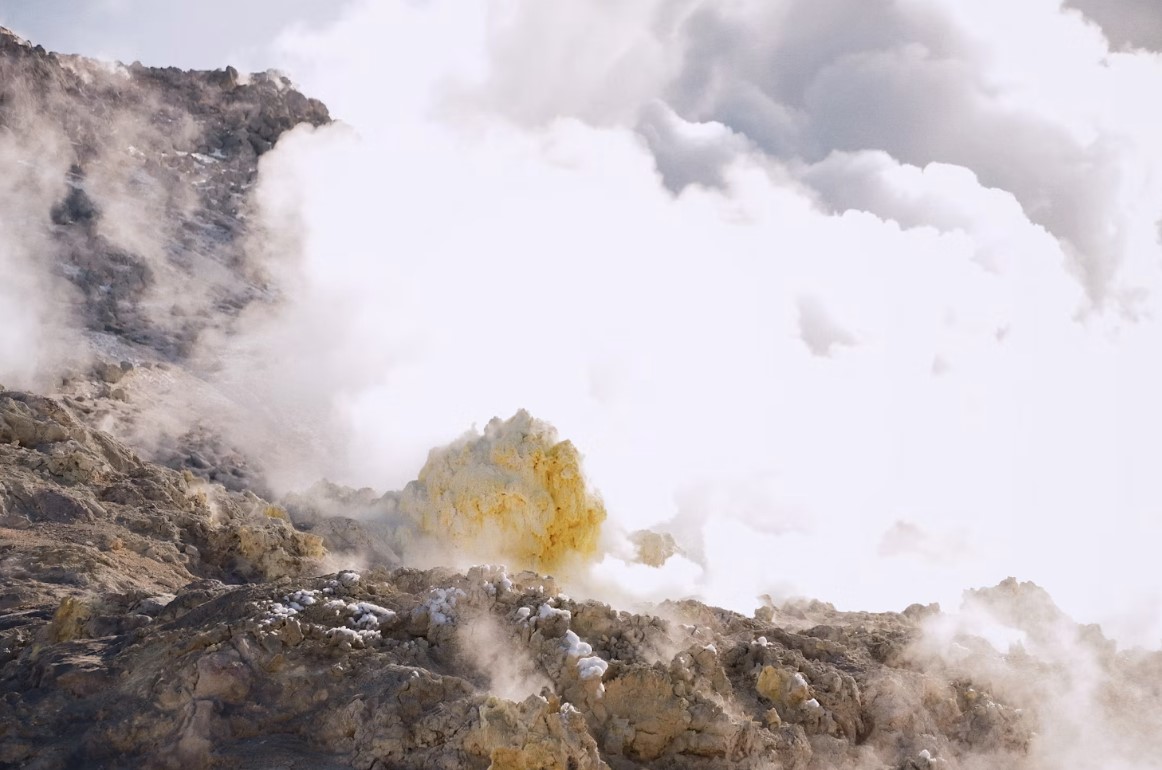
The facility is designed to absorb part of the financial risks associated with early-stage geothermal exploration, one of the biggest hurdles to developing new geothermal projects.
The council said the mechanism is expected to encourage more developers to pursue geothermal exploration by reducing the financial exposure associated with drilling and resource assessment, helping strengthen the country’s pipeline of clean energy investments.
Geothermal projects require substantial upfront spending on exploration drilling before developers can determine whether a resource is commercially viable. The uncertainty has historically made financing difficult despite geothermal’s ability to provide round-the-clock renewable electricity, unlike intermittent sources such as solar and wind.
The approval builds on work launched in 2022, when the Department of Energy (DOE) partnered with the Asian Development Bank to develop a geothermal de-risking roadmap aimed at reducing pre-development risks and identifying policy and regulatory reforms needed to accelerate investment in the sector.
The DOE has previously said geothermal developments typically require four to six years before reaching commercial operations because of the extensive exploration, drilling and development work involved.
Under the proposed mechanism, funding provided for successful exploration projects would be treated as a loan, while support for unsuccessful exploration could be converted into a grant, reducing developers’ exposure to exploration risks.
The latest initiative adds to a series of government measures aimed at accelerating the country’s clean energy transition.
In recent months, RenewableEnergy.ph reported that the DOE created a task force to develop a carbon credit framework for the energy sector, issued new rules to facilitate privately funded transmission facilities, and continued promoting the Green Energy Option Program and Retail Aggregation Program to expand consumer access to renewable electricity.
The government has also been pushing forward with utility-scale solar, offshore wind and floating solar developments while seeking to strengthen investment conditions across the renewable energy sector.
The de-risking facility also complements the government’s efforts to streamline project approvals. Earlier this year, the Board of Investments granted Green Lane certification to 13 strategic renewable energy projects worth more than P344 billion, allowing them to benefit from expedited permitting and inter-agency coordination.
Energy Secretary Sharon Garin previously said the proposed facility would help strengthen the country’s indigenous energy supply while supporting efforts to restore the Philippines’ position as one of the world’s leading geothermal producers.
The Philippines is the world’s third-largest producer of geothermal energy after the United States and Indonesia, with geothermal plants supplying stable baseload electricity to the national grid.
The government aims to increase renewable energy’s share of the country’s power generation mix to 35% by 2030 and 50% by 2040, while expanding installed renewable energy capacity to 52 gigawatts by 2040.
Officials see geothermal as a critical component of the country’s energy transition because of its ability to provide reliable, around-the-clock power while reducing dependence on imported fossil fuels.
